A sparking panel can't wait five minutes — and voicemail can't triage
The breaker panel's sparking, the homeowner's scared, and your phone rang three times before it went to voicemail.
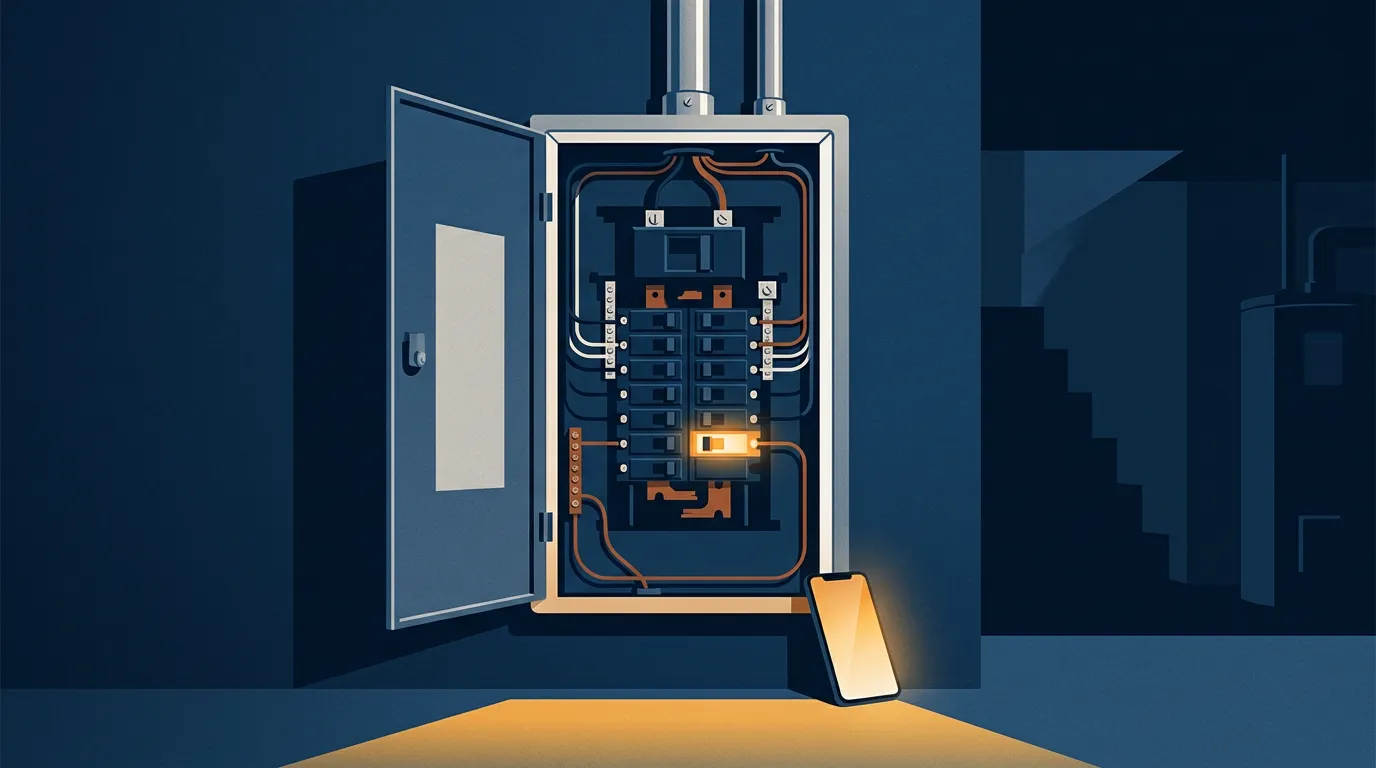
Electrical calls aren't all created equal — a flickering outlet can wait till Tuesday, a panel throwing sparks can't wait five minutes. Voicemail can't tell the difference. Neither does this yet — no electrician profile is built, and it does not walk a caller through safety steps on any line.
A quick typed preview — no phone needed. It's a taste, not the finished product.
What your missed calls are costing you
Drag these to match your shop. It's rough math, on purpose — nobody trusts a calculator that pretends to know your business better than you do.
7
32%
$375
Estimated revenue lost per month
$3,637
vs. Dialkeep at $199/mo
+$3,438
net, if it recovers every one of those jobs (it won't catch all of them — no one does)
Dialkeep vs. AnswerForce
| Feature | Dialkeep | AnswerForce |
|---|---|---|
| Pricing model | $199/mo flat, unlimited calls | Minute-allotment plans, quote-based — go past the allotment and the bill goes up |
| Triages safety-critical calls | Not built yet — no electrician profile exists today, and it does not walk a caller through safety steps on any line | AnswerForce publishes customizable scripts and emergency dispatch to your on-call tech |
| Captures the job on the call | Not built yet — no electrician profile exists today; the line I have working is plumbing | AnswerForce publishes that estimates and work are booked directly into your calendar |
| Speaks Spanish | Not yet — the line answers in English only today | AnswerForce markets English and Spanish receptionists |
Why electricians trust it on the phone
Licensed-and-insured tone throughout — it never diagnoses wiring or quotes a repair over the phone, it captures symptoms and the visit details on the call.
It gets the address and a description of the issue from the caller during the conversation itself — nobody has to repeat the story to a second person down a relay chain.
Your customer data stays yours. Nothing about a job or an account gets shared or sold.
Questions electricians ask
Is it a robot?+
Yes, and that's the point, not a problem. It's built for the 9pm call about a breaker that won't stop tripping the same as the 9am one — there's no shift to cover. It says so if a caller asks directly — no pretending to be human, no dodging the question. Don't take that on faith — type a scenario into the demo at dialkeep.ai/demo and see how it handles it.
Customers calling about electrical work want a real person, not a machine.+
They want the sparking outlet looked at before it starts a fire. Right now, after 6pm, the alternative isn't 'a friendlier robot' — it's a voicemail nobody checks until tomorrow morning. This answers instead and captures the details on the call. What it doesn't do yet: electrical-specific safety guidance — no electrician profile is built today, and it does not walk a caller through safety steps on any line.
Can it tell the difference between an emergency and a routine question?+
Generic urgency triage is real design intent, the same for every trade: ask a clarifying question when the caller's own words don't make it obvious, then treat anything ambiguous as urgent instead of routine. Electrical-specific judgment isn't part of that yet — no electrician profile exists today, so it doesn't recognize 'sparking' or 'burning smell' as hazard signals the way plumbing's profile recognizes a burst pipe. That's the honest state until an electrician profile ships.
What if it misjudges a genuine emergency?+
Fair question, but it doesn't apply yet — there's no electrician profile built today, so nothing is judging electrical emergencies at all, correctly or otherwise. The generic design intent — treat anything ambiguous as urgent, not shrugged off — is the same starting point every trade profile uses, including plumbing's; if an electrician profile is built, that's the baseline it would start from. If it still gets something wrong once it exists, you tell us what it should have done and we change the setup — a person updating your configuration, not the software teaching itself.
What happens when it can't answer a question?+
It takes down the details and a callback number instead of guessing at electrical code or a repair estimate. When it gets something wrong, you tell us and we change its setup — a person updating your configuration, not the software teaching itself.
We already use an answering service.+
Then you already know the real cost isn't the monthly fee, it's a different person answering every shift working from a generic script. This isn't 'someone answering your phone' — it's set up on your specific business: your service area, your usual call types, your rules for what counts as an emergency. When it gets something wrong, you tell us and we change the setup.
Notes for electricians, from the shop floor
Trillet and Dialzara vs. Dialkeep for a DMV electrician: the metered-minute math on a surge week
Trillet and Dialzara both bill by the minute; Dialkeep is $199/mo flat. What an outage-week surge does to each bill — and where the cheap tier is enough.
Read the breakdown →The August derecho pattern: why DMV electricians get slammed the same week every few summers
The DMV's severe-summer-storm pattern floods an electrician's phone all at once, not gradually — here's how to plan coverage before the next one, not during it.
Read the breakdown →EV charger install calls: what a DMV electrician needs to ask before quoting
A phone quote on an EV charger install is a guess unless you ask five things first. The intake checklist DMV electricians can use on the next call.
Read the breakdown →Generator interlock inspections in DC, Maryland, and Virginia: what each jurisdiction actually checks
DC, Maryland, and Virginia inspect generator interlock kits differently — different code years, different checklists. What actually fails, county by county.
Read the breakdown →Triage is the job: the question nobody's answering after 6pm
'Can this wait till Tuesday?' is the costliest question in electrical work, and nobody's asking it after 6pm. Sparking panel vs. flickering switch, triaged.
Read the breakdown →See it built from your shop, then decide.
$199/mo flat once you're in — no contract, no per-minute meter.